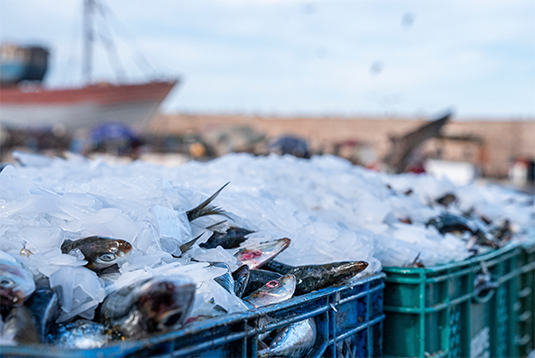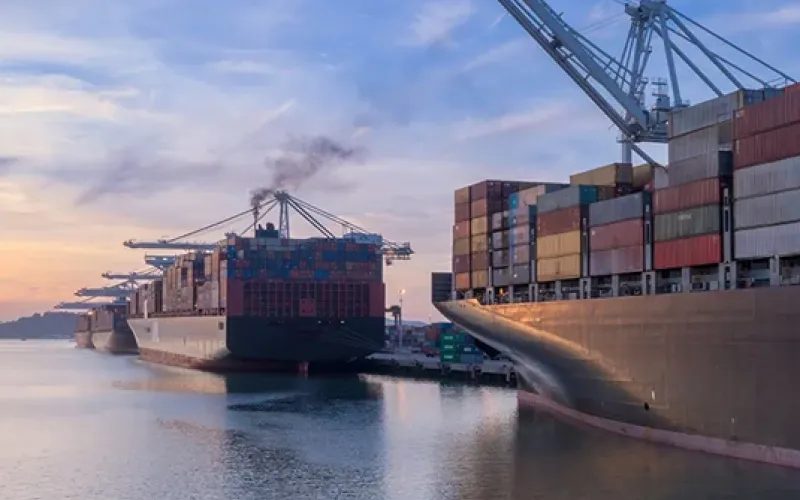
Global demand for seafood is rising as consumers worldwide seek high-quality protein sources and businesses expand international supply chains. At the same time, seafood exporters are navigating changing trade routes, shifting markets and increasing customer expectations.
The opportunities are significant. But to take advantage of them, quick access to working capital is vital for buying inventory, covering day-to-day expenses and fulfilling orders before payment arrives. For many seafood businesses, maintaining strong cash flow is just as important as securing new customers and meeting demand.
Global Seafood Demand Continues to Grow
The global seafood industry has expanded steadily over the past several years, driven by population growth, consumer preferences and continued investment.
According to FAO's State of World Fisheries and Aquaculture 2026 report, global fisheries and aquaculture production reached a record 235 million tonnes in 2024. Today, the sector supports more than 600 million livelihoods worldwide and supplies much of the animal protein that billions of people consume.
As demand continues to increase, seafood exporters are expanding into new markets and growing their international footprint. But rising demand also brings added financial pressure, especially when products are delivered weeks before invoices are paid.
Why Funding Can Be a Challenge for Seafood Exporters
Increased demand can create timing challenges for seafood exporters. Products are harvested, processed and shipped long before an invoice is paid, leaving businesses to manage expenses while revenue is still tied up.
This can be particularly challenging in an industry where payment terms are often extended. To bridge that gap, many seafood exporters turn to export financing, also known as trade finance.
Export financing is a financial solution that allows exporters to receive payment on their accounts receivable through same-day or next-day funding. Instead of waiting for customers to pay their invoices, exporters gain faster access to the funds needed to run their business.
Challenge 1: High Upfront Costs
Seafood exporters face substantial upfront expenses before a product even reaches a customer. Costs associated with harvesting, processing, packaging, transportation, cold storage and fuel accumulate quickly.
Because seafood products are shipped in large volumes, exporters may invest significant capital weeks or months before receiving payment.
Challenge 2: Long Payment Terms
Many seafood exporters operate on payment terms ranging from 60 to 90 days. During that time, products may be harvested and sold before exporters receive payment.
These extended payment cycles can create cash flow gaps that make it difficult to cover operating and staffing expenses or pursue other business opportunities.
Challenge 3: Market Volatility
Seafood markets change rapidly. Price fluctuations, weather-related events, tariffs, regulatory changes and supply chain disruptions can all affect profitability. During these periods of uncertainty, many businesses need financial flexibility to keep products moving and respond to changing market conditions.
Otherwise, cash reserves become stretched, and unexpected demand spikes can severely impact supply.
Challenge 4: Traditional Financing Isn't Always Flexible
Traditional financing options don’t always align with the realities of international trade. Banks often require extensive documentation and lengthy approval processes. For seasonal seafood businesses, finding financing that matches both harvest and sale cycles can be challenging.
As a result, many exporters explore alternative funding solutions that provide quicker access to working capital, like export financing.
How Export Financing Supports Seafood Exporters
Export financing helps seafood exporters boost their liquidity while cutting the delay between invoicing and payment. Instead of waiting weeks or months for payment, seafood exporters can access the funds they need to support short-term operations and long-term plans.
- Support Business Growth: With faster access to cash, seafood exporters can purchase inventory and raw materials, invest in processing and storage capabilities, and take on larger orders with confidence.
- Navigate Market Changes: Export financing gives businesses greater flexibility when market conditions shift. Whether responding to changing trade routes, rising demand or new opportunities, exporters can move forward without waiting months for payment.
- Manage Credit and Risk: Many export financing programs also include credit evaluation services. This can give exporters peace of mind as they enter new markets and build relationships with international buyers.
Export Financing with RTS Capital
As a trusted international invoice financing company with more than 25 years of experience, RTS Capital helps exporters improve cash flow, reduce payment uncertainty and support business growth.
We serve clients in more than 40 countries across a wide range of industries, including seafood, agriculture, manufacturing, textiles, transportation and more. With a dedicated team of representatives fluent in over 40 languages, RTS Capital helps businesses operate confidently in global markets.
Contact RTS Capital today to learn more about our export financing solutions and discover how we can help support your global growth strategy.